PTM - Focus on pesticide residue testing by pesticide tester

Pesticide Tester

Pesticide Residue Testing Equipment

Pesticide Tester Manufacturer

Smart On-Site Food Pesticide Testing
Reliable Pesticide Testing in Food
Pesticide Testing Service for Daily Safety
Get A Quote

What Is Pesticide Tester?

pesticide-tester

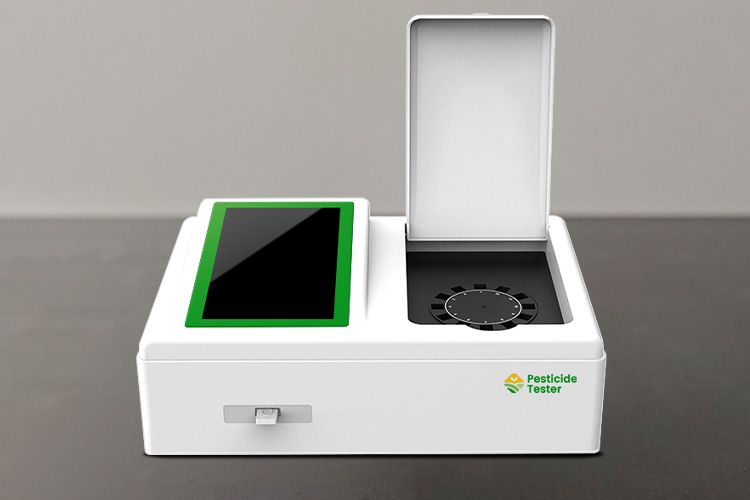
Pesticide tester is a high-tech testing device specifically designed for rapid detection of pesticide residues in vegetables, fruits and other agricultural products. With the development of modern agriculture and the widespread use of pesticides, food safety issues have increasingly drawn consumers’ attention. Therefore, in order to ensure food safety and consumer health, pesticide residue testing equipment has emerged as an important tool for detecting pesticide residues in households, catering enterprises, farmers’ markets and testing institutions. This machine, through advanced detection technology, simplifies the complex laboratory testing process into rapid, convenient and highly operable on-site testing, enabling non-professional users to easily determine whether vegetables, fruits and other agricultural products have excessive pesticide residues. Compared with traditional laboratory testing methods, pesticide tester significantly shortens the testing time, reduces the reliance on professionals and experimental equipment and provides an efficient and reliable solution for food safety testing, allowing consumers to choose and consume agricultural products with greater peace of mind.

The emergence of pesticide tester not only overcomes the limitations of traditional detection methods in terms of speed and convenience, but also provides a new technical means for food safety supervision. With the improvement of consumers’ awareness of food safety, the demand for rapid and accurate pesticide residue detection is increasing nowadays. In the future, pesticide testing equipment will play a more important role in improving food quality and become an indispensable intelligent tool in the field of food pesticide residue testing.

pesticide-residue-testing-market
Experiences
More than 20 years Pesticide Tester Manufacturing
pesticide-residue-testing-methods
Certifications
ISO9001 approval company, product comply with international standard
pesticide-screening-test
Customization
Rich experience in tailor-made Pesticide Tester
pesticide-test-answers
Delivery
Worldwide delivery and short lead time

Working Principle of Pesticide Tester

pesticide-lab

Pesticide tester adopts a design that combines enzyme inhibition principle with photoelectric colorimetric method to achieve rapid and accurate pesticide detection. The machine is equipped with sensitive enzymes and specific substrates. When organophosphorus or carbamate pesticides are present in the sample, these pesticides will inhibit the activity of the enzymes, affect the chemical reaction of the substrates and cause a change in the color of the reaction solution. Pesticide testing equipment measures the absorbance of the reaction solution through a precise multi-channel optical colorimetric system, calculates the enzyme inhibition rate based on the color change and quantitatively analyzes the pesticide residue in the sample. In addition, pesticide residue testing equipment adopts a rotating colorimetric cell design and is calibrated through the same chip and light source, effectively eliminating measurement errors caused by differences between channels or light sources, ensuring high precision and consistency in multi-channel detection.

Pesticide tester which combines enzyme chemical reactions with optical colorimetric measurement not only ensures the sensitivity and selectivity of the detection but also can handle a large number of samples simultaneously. It is suitable for on-site rapid detection or laboratory analysis, providing efficient and reliable technical support for food safety monitoring.

Why Do We Need Pesticide Residue Testing?

With the development of modern agriculture, pesticides are widely used in the cultivation of vegetables, fruits and other agricultural products to control pests and diseases. However, excessive or improper use can lead to pesticide residues remaining on the surface or inside agricultural products. When people consume agricultural products containing pesticide residues, the harmful substances in the pesticides may accumulate in the human body. Long-term intake can cause damage to the nervous system, endocrine system, immune system, etc., leading to acute poisoning symptoms such as dizziness, vomiting and diarrhea. For instance, organophosphorus pesticides can inhibit the activity of human cholinesterase and interfere with the normal function of the nervous system. Therefore, effectively detecting pesticide residues in food is an important link in ensuring food safety. Traditional laboratory analysis methods may take hours or even days, while pesticide tester can get test results in minutes, enabling immediate on-site judgment. Meanwhile, it can detect a variety of commonly used pesticides, meeting the diverse needs of household users, catering enterprises and testing institutions.

pesticide-test

Core Technologies of Pesticide Tester
pesticide-analysis-in-food-products
Core Technologies of Pesticide Tester

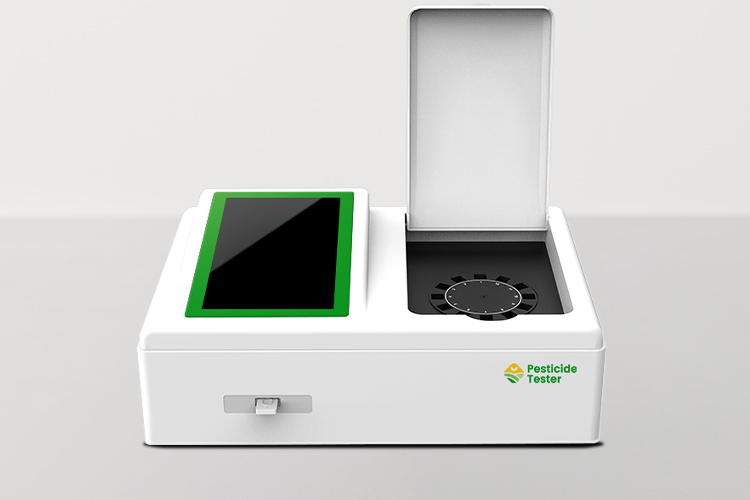
Pesticide tester adopts a precise rotating colorimetric cell structure, supporting multiple detection channels. It uses the same chip and same light source calibration technology, effectively eliminating deviations between different light sources. Also, it is equipped with an automatic cuvette recognition function.
pesticide-residue-analysis
High-precision light source system
Pesticide testing equipment adopts high-precision imported four-wavelength cold light sources. Each light source is driven by an independent chip, featuring high stability and low error. Also, the light source adopts ultra-bright LED, featuring automatic brightness adjustment and voltage stabilization functions.
pesticide-analysis
Intuitive and user-friendly interface
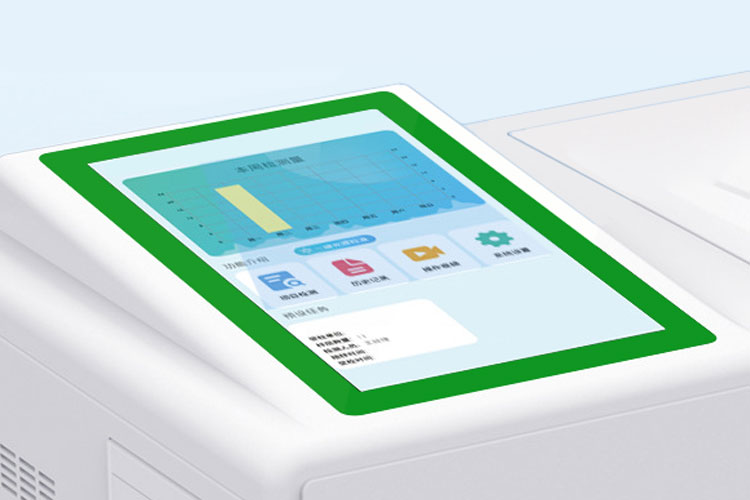
Pesticide tester features an intuitive interface that supports efficient and straightforward operation. It provides intelligent program classification, allowing users to add or edit sample item names as needed, view historical test records and perform smart printing with customized information.
pesticide-testing
Built-in data statistics and analysis module
The home page of the pesticide residue testing equipment displays the weekly, monthly and total inspection data in real time, including the number of inspections, pass rate, number of non-conformities, etc. It is also equipped with bar chart analysis, which is convenient for quickly grasping the inspection trend.
pesticide-residue-testing
Connected with food safety supervision platform
Pesticide tester supports local area network and Internet data upload and can directly synchronize the test results to the food safety supervision system. It is equipped with an internal OSS storage and device regional management mechanism, facilitating early warning of regional food safety.
pesticide-test-questions
Customized printing system
Pesticide testing equipment is equipped with a flexible and configurable custom printing system, allowing users to freely select the printing content according to their usage requirements. The corresponding project can be opened or closed at any time to meet the needs of evidence collection and file retention in different scenarios.

Pesticide Tester vs. Laboratory Testing
pesticide-residue-testing-equipment
applicator-test
FeaturePesticide TesterLaboratory Testing
Sample CapacitySupport multiple samples testing simultaneouslyLimited sample testing
Testing SpeedRapid testing within few minutesLonger testing cycle in few days
Testing AccuracyHigh accuracy for rapid screeningVery high accuracy
Operation ComplexityEasy operation and minimal training requiredRequired professional training
Data ManagementAutomatic data aggregation, connected to food safety supervision platformManual data handling
Application ScenarioSuitable for on-site rapid screeningAccurate analysis testing

What Products Can Be Detected by Pesticide Tester?

Pesticide tester can detect over 200 types of food.
pesticide-test-kit
Vegetable
testing-for-pesticides-in-food
Grain
pesticide-testing-laboratory
Fruit
pesticides-testing
Tea Leaf
pesticide-testing-laboratory-near-me
Meat
pesticide-test-kit-for-food
Agricultural Product

Application Scenarios of Pesticide Tester

pesticide-testing-methods
Food Processing Plant
pesticides-test
Farm Product Market
testing-for-pesticides
On-Site Farm Testing
core-pesticide-test
Food Safety Supervision
food-pesticide-testing
Import and Export Inspection
pesticide-residue-detector
Research Institute
general-standards-pesticide-test-answers
Health Sector
general-standards-pesticide-test
Catering Sector

How to Use Pesticide Tester?

test-pesticide
Prepare reagents and samples
Prepare the reagents and buffers according to the instructions. At the same time, get the samples to be tested and the required testing tools ready.
pesticide-testing-lab
Power-on and check device
Turn on the pesticide tester and complete self-check and preheating to ensure the device is functioning properly before testing.

Operation Stage:

pesticide-test-results
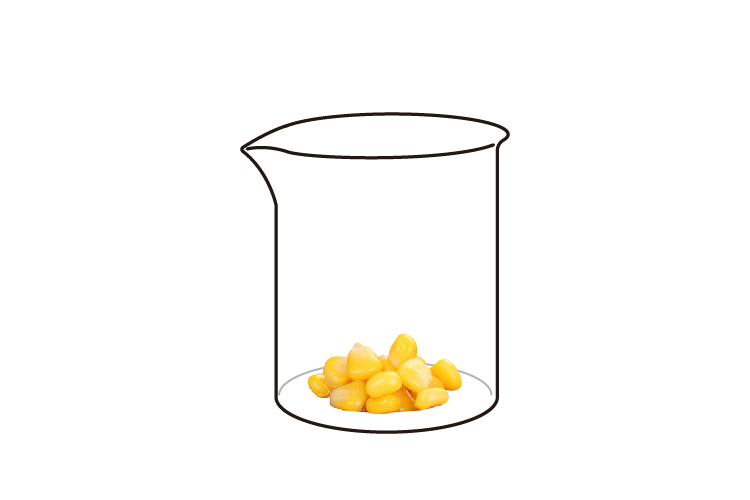
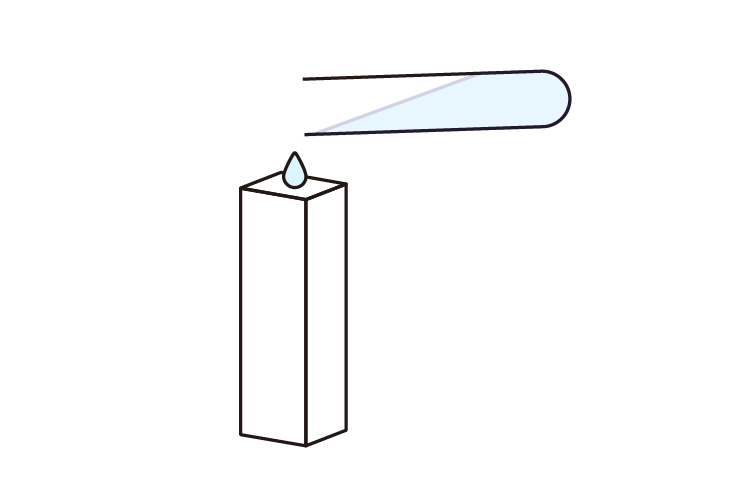
Take 2g of sample
pesticide-test-strips
Add 10ml of buffer solution
pesticide-testing-equipment
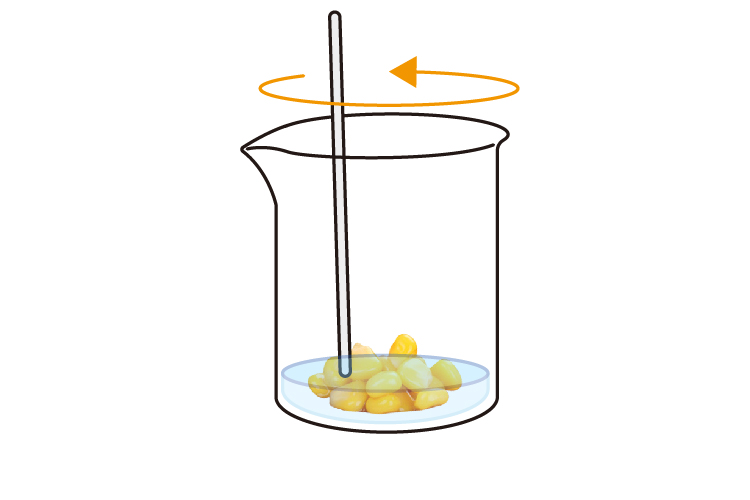
Stir the sample for 1-2 minutes
pesticide-testing-kit
Wait for 2 minutes
pesticide-testing-labs-near-me
Collect 2.5ml of clear solution
pesticide-testing-near-me
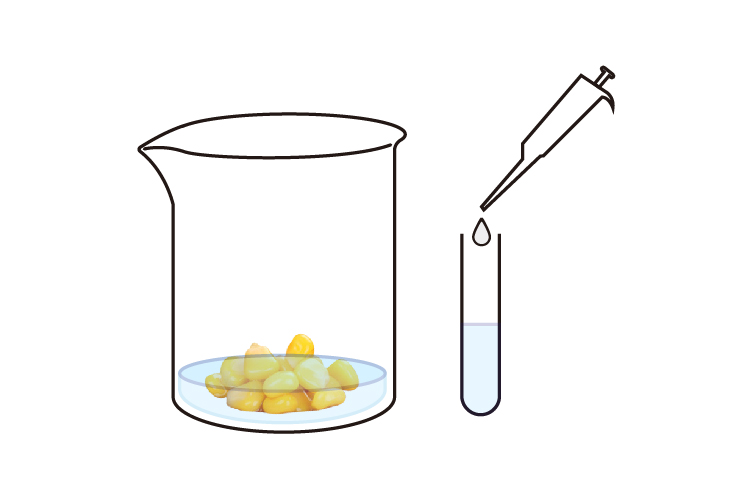
Add 100µl of enzyme
pesticide-testing-service
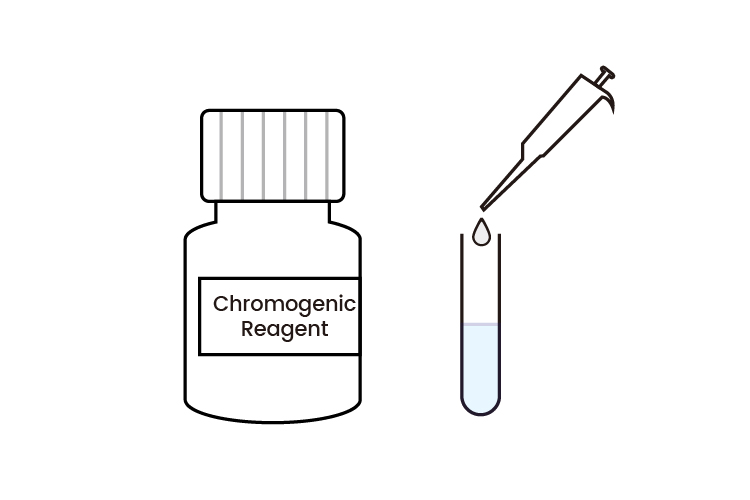
Add 100µl of chromogenic reagent
pesticides-in-food-testing
Mix well&incubate for 10 minutes
pesticides-test-questions
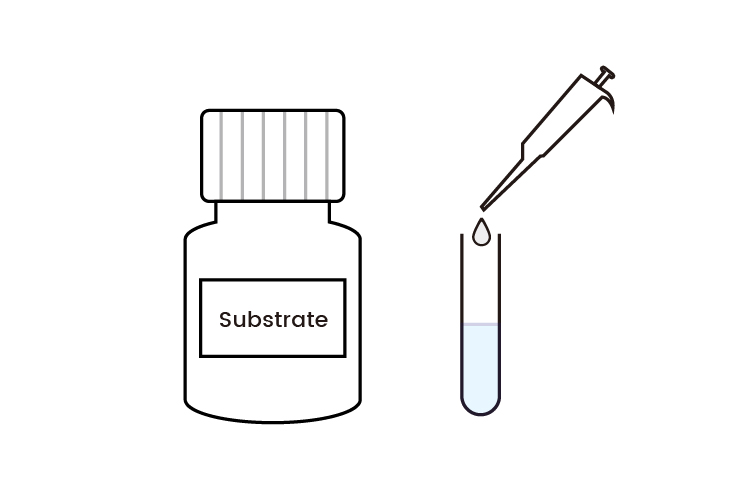
Add 100µl of substrate
mix thoroughly
pesticides-testing-laboratories
Pour into the colorimetric cell
pesticides-tests
Start the tester and choose the desired channel
solutions-for-pesticide-residues-testing-in-food
Wait for 3 minutes and read the result

How to Use Pesticide Tester?

Is there a way to test for pesticides?
The rapid detection method mainly uses pesticide tester or test kit to quickly determine pesticide residues in food through enzyme inhibition and colorimetric methods. This type of method is easy to operate and provides results quickly, making it highly suitable for on-site detection and batch initial screening.
What removes pesticides from the body?
Pesticides in the human body are gradually excreted through metabolism and excretion, but the speed and effect of excretion depend on the type and amount of pesticides. Most pesticides can be decomposed and excreted by organs such as the liver and kidneys within a few hours to several weeks.
Do pesticides harm humans?
Pesticides can be harmful to humans if exposure occurs through ingestion, inhalation or skin contact. Short-term exposure may cause symptoms like nausea, dizziness or skin irritation, while long-term or repeated exposure can lead to more serious health issues such as hormonal disruption, neurological problems or even cancer.
What is a pesticides test?
A pesticides test is a procedure used to detect and measure the presence of pesticide residues in food. It determines whether pesticide residue remains in food at levels which will affect human health. The main purpose of a pesticide test is to ensure food safety, comply with regulations and protect human health from potentially harmful pesticide residues.
Can salt wash away pesticides?
Salt water can help reduce some pesticide residues on the surface of fruits and vegetables, but it cannot completely remove them, especially if the pesticides have penetrated the skin or flesh. For better results, it is recommended to rinse produce under running water, scrub firm items gently, peel when possible or cook, all of which can further lower pesticide levels.
What destroys pesticides?
Pesticides can be reduced through sunlight, heat, washing and microbial activity. Sunlight can degrade some pesticides, while cooking or boiling can reduce residues on food surfaces. Rinsing or soaking product helps remove surface pesticides. Combining these methods is the most effective way to minimize pesticide exposure.
How should pesticide tester be maintained?
After each use, clean the cuvettes and sample holders of pesticide tester thoroughly to prevent residue buildup and cross-contamination. Wipe the tester’s exterior with a soft, dry cloth to keep it free of dust and debris. Regularly check and calibrate the light sources and detection channels maintain measurement accuracy. Following these steps will ensure the device provide consistent results over time.
How long do pesticides stay in your body?
The time pesticides stay in the body varies depending on their type and how the body processes them. Water-soluble pesticides are usually eliminated within hours or days through urine, while fat-soluble pesticides can accumulate in fatty tissues and remain for weeks, months or even years.

Testimonials of Pesticide Tester

After using pesticide tester, we can quickly screen fruits for pesticide residues on-site, saving time compared to sending samples to a lab. We can test multiple batches of fruits and vegetables in just a few minutes, which greatly improves our efficiency.
The user-friendly touchscreen interface of pesticide tester makes operation simple and intuitive. Th historical data can be automatically stored, making it easy to track past results and analyze trends in food safety management.
After training, even staff with no laboratory experience can operate the pesticide testing equipment confidently. The intuitive design reduces human error, making it a reliable tool for daily food safety monitoring in our business.
We use cookies in order to give you the best possible experience on our website. By continuing to use this site, you agree to our use of cookies.
Accept
Privacy Policy